
Mubert: review, pricing and alternatives
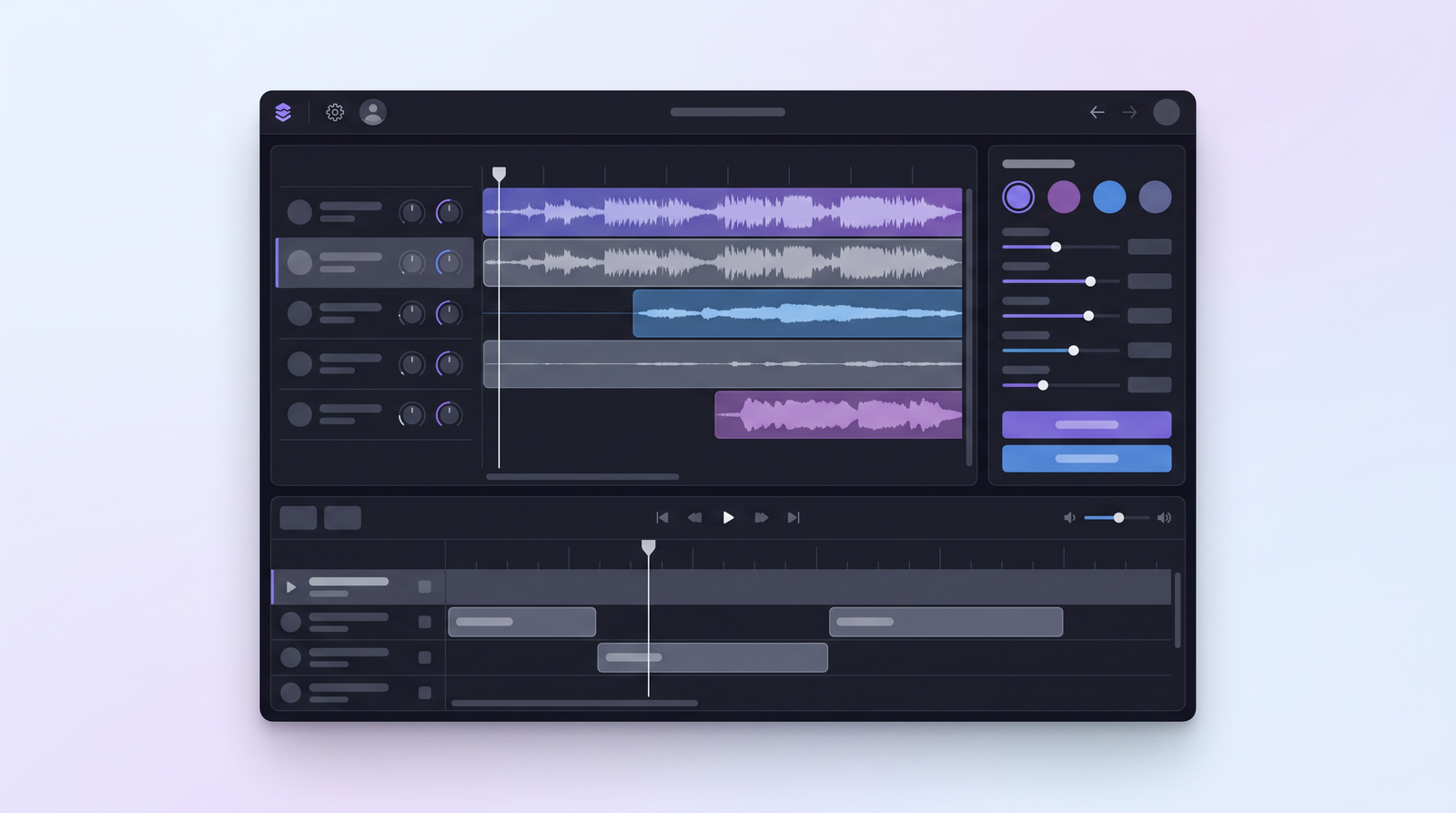
What is Mubert? Overview of the AI Music Generator
When I first started exploring the world of AI music generation, Mubert quickly stood out. It's an AI-powered music generator that focuses primarily on creating royalty-free background music. Unlike some other AI tools aiming to compose full songs with vocals, Mubert is designed as a practical utility, a kind of audio engine for content creators, app developers, and brands who need a steady stream of unique, copyright-cleared audio.
From my experience, Mubert excels at providing instant, scalable background music that can be tailored to specific needs. It's not about crafting the next chart-topping hit; it's about solving the common problem of finding appropriate, legal, and fresh music for videos, podcasts, apps, or even just for personal focus during work. It positions itself as a forward-thinking music licensing platform, leveraging artificial intelligence to bypass the traditional complexities and costs associated with music rights.
What truly defines Mubert in my eyes is its mission to simplify the workflow for anyone needing music that just *works* in the background. It's less about artistic expression in the traditional sense and more about functional music, making it an invaluable tool for a very specific, and growing, niche in the digital landscape. It's a real AI music platform, as many have noted, specifically engineered for generating royalty-cleared background music for a wide array of media workflows.
Key Features: Instant Generation, Royalty-Free Licensing, and API
Diving into Mubert's core functionalities, what immediately grabs your attention is its ability for instant generation. I remember typing in a simple phrase like “happy puppy” and being genuinely surprised when it almost immediately delivered a cheerful, fitting track. This text-to-music generation is incredibly intuitive, letting you describe the vibe or scenario you need music for, and Mubert takes it from there.
Another cornerstone feature, and arguably its most compelling for many users, is its royalty-free licensing. This means that the music you generate through Mubert can be used commercially without worrying about copyright strikes on platforms like YouTube or needing to pay additional licensing fees per use. For content creators, this is a massive relief, simplifying the legal landscape of using music in their projects and giving them peace of mind.
Mubert also offers different generation options beyond just a single text prompt. You can generate looping background streams, which are perfect for live streams or continuous ambiance. But what truly elevates Mubert for developers and larger organizations is its robust API. This allows for deep integration into apps, games, or other platforms, enabling dynamic, reactive music generation tailored to user actions or in-app events. It effectively transforms Mubert from a simple tool into a powerful backend music engine for digital products.
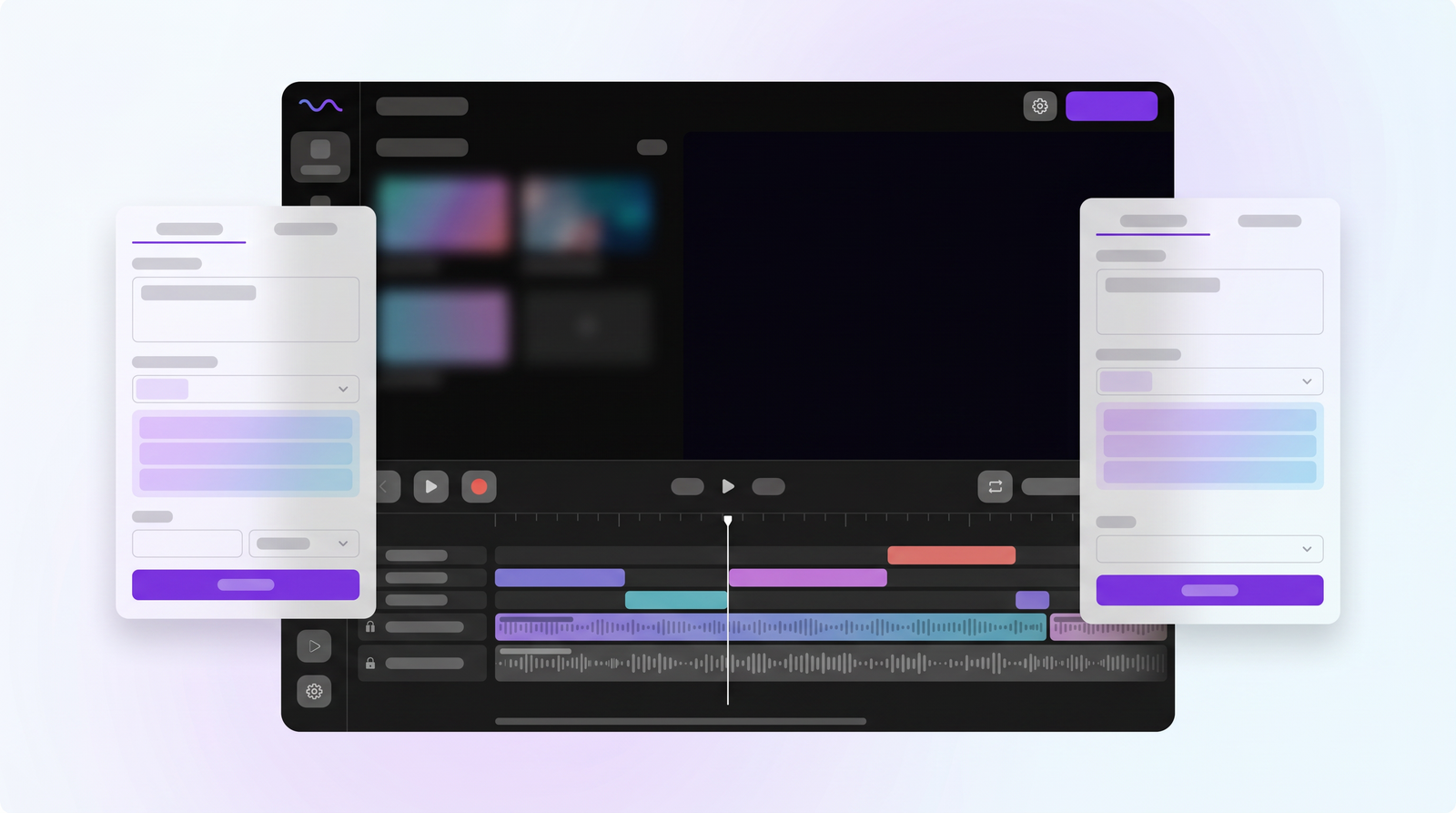
How Mubert Works: From Text to Track
The user experience with Mubert is remarkably straightforward, which is one of its biggest assets. When you need a track, you typically start by providing a text prompt. This could be anything from a specific genre and mood combination, like “upbeat electronic for a workout,” to a more descriptive scenario, such as “calm ambient music for studying.” I found this intuitive way of expressing my needs to be a refreshing change from sifting through countless stock music libraries.
Once you’ve given Mubert your prompt, the AI gets to work, assembling an original track from its vast library of samples and algorithms. The speed of generation is genuinely impressive; you’re not waiting minutes, but often just seconds, for a unique piece of music to emerge. What’s particularly fascinating is that each music stream Mubert generates is unique. It’s not just pulling from pre-made tracks; it’s dynamically creating something new every time, ensuring originality and helping you avoid hearing the same loops everyone else is using.
Beyond initial generation, Mubert also incorporates a level of personalization through user feedback. As you listen, you can 'like' or 'dislike' tracks or specific elements, helping to train the algorithm to better understand your preferences. This means that over time, the music Mubert generates for you becomes more aligned with your tastes and specific needs, making the experience even more tailored and effective. It's a continuous feedback loop that refines the output, aiming to deliver high-quality, personalized music that fits perfectly.
Mubert for Content Creators: YouTube, TikTok, Podcasts, and More
For anyone creating digital content today, from YouTube vloggers to TikTok trendsetters, Mubert is a game-changer. The platform's core offering, royalty-free background music, directly addresses one of the biggest headaches for creators: copyright claims. I've personally spent countless hours searching for music that fits my video's mood, only to be hit with a copyright strike later. Mubert eradicates that worry, allowing creators to focus on their content rather than legal complexities.
Whether you're producing a long-form YouTube video, a snappy TikTok short, an engaging podcast episode, or even a corporate presentation, Mubert can instantly provide suitable audio. Need a chill lo-fi beat for a study montage? A dramatic orchestral piece for an explainer video? Or an energetic track for a gaming stream? Mubert delivers it on demand. This speed and accessibility mean creators can maintain a consistent publishing schedule without delays caused by music acquisition.
The utility extends to various social media platforms, ads, and even boomerangs, making it incredibly versatile. It's about providing that perfect sonic backdrop that enhances your content without distracting from it or causing legal issues. Mubert truly simplifies the process of getting music that hypes your content, sets the right mood, and keeps your audience engaged across all digital mediums.
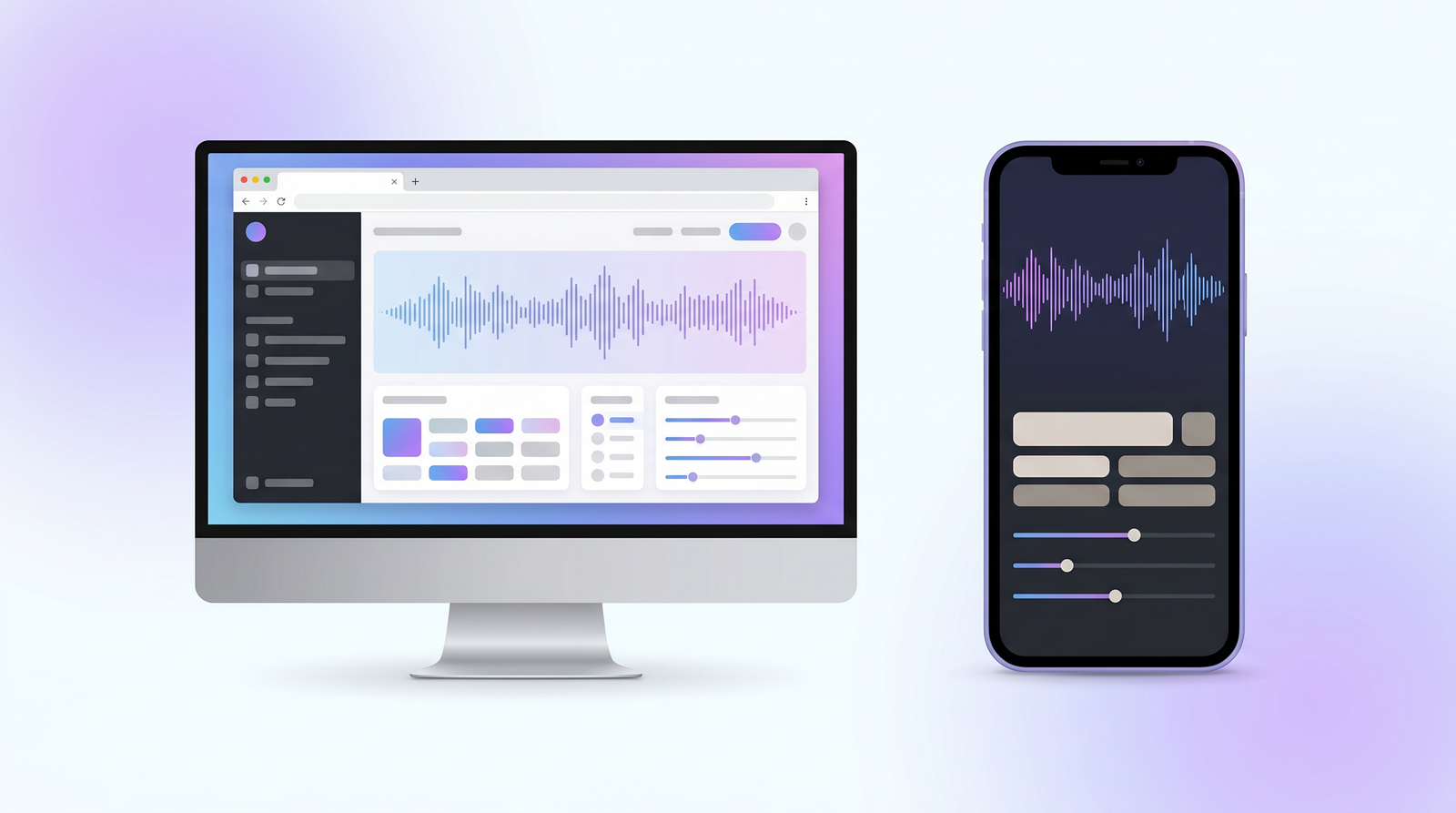
Mubert's Product Lineup: Render, Play, and Studio
Mubert isn't just a single tool; it's a suite of products designed for different user needs, each leveraging its core AI music generation technology. The most commonly used, and what many people mean when they say “Mubert,” is Mubert Render. This is the on-demand track generation service where you input prompts and instantly receive royalty-free background music for your videos, podcasts, and other content. It's the workhorse for content creators needing quick, custom audio.
Then there’s Mubert Play, which I see as the listening and streaming side of the platform. Available as an app on both iOS and Android, Mubert Play offers unique, continuous music streams designed for specific functional purposes like focus, relaxation, or even boosting performance during sports. It’s not about generating individual tracks to download, but rather providing an ever-evolving, personalized soundscape. You can train the algorithm with your likes and dislikes, creating a unique listening experience tailored to your mood or activity, complete with immersive sound and even visual experiences for those with projectors.
Finally, Mubert also offers a Studio product and a robust API. While less public-facing for the average user, these are crucial for professional use cases and developers. The API allows for deep integration of Mubert’s AI music generation capabilities into third-party applications, games, or media workflows, enabling dynamic and reactive music that responds to user input or in-app events. The Studio product, though less detailed in public descriptions, caters to more advanced users or businesses requiring custom solutions and greater control over the AI's output, pushing the boundaries of creative expression with cutting-edge technology.
Pricing and Plans: Free Tier to Enterprise Options
Mubert offers a flexible pricing structure designed to accommodate various users, from casual experimenters to professional content creators and businesses. I appreciate that they provide a free tier, allowing you to test the waters and experience the AI generation firsthand. However, as you might expect, this free option comes with limitations, often restricting the number of tracks you can generate or the usage rights for commercial projects.
For those needing more serious functionality, Mubert provides subscription options. These plans typically offer more generation time, higher quality exports, and full commercial royalty-free licenses. I've seen subscription prices ranging from around $11.99 to $39 per month, depending on the features and usage limits. This makes it quite accessible for individual creators or small businesses who need a consistent supply of background music without breaking the bank.
Beyond subscriptions, Mubert also offers a pay-per-track model, which can be ideal if your music needs are infrequent or unpredictable. This allows you to purchase individual tracks as required, without committing to a recurring subscription. For larger organizations, app builders, or those with extensive integration needs, Mubert also provides enterprise-level options, often facilitated through its API. While specific pricing for enterprise solutions would be custom, the overall range of options ensures that there's a plan for almost any user looking to integrate AI-generated music into their workflow.
| Plan | Price (Monthly) | Best for |
|---|---|---|
| Free Tier | $0 | Testing the platform, personal use, limited generations |
| Creator/Pro Plan | $11.99 - $39 | Individual content creators, small businesses, commercial use, more generations |
| Pay-per-Track | Varies | Infrequent users, project-specific needs without subscription |
| Enterprise/API | Custom | Developers, app builders, large organizations, dynamic integrations |
Pros and Cons: Strengths and Limitations
My time with Mubert has highlighted both its impressive strengths and some understandable limitations. On the positive side, its speed of generation is truly remarkable. Getting a unique, royalty-free track in seconds is a huge advantage for creators on tight deadlines. The royalty-free licensing for commercial use is, in my opinion, its strongest selling point, providing peace of mind and avoiding the notorious copyright headaches of platforms like YouTube. The scalability of its output, combined with the developer API, makes it incredibly versatile for both individual users and larger applications.
However, Mubert isn't without its drawbacks. A significant limitation for some will be the complete absence of vocals or lyric generation. If you're looking for AI to write a song with a chorus and verses, Mubert isn't the tool for that; its focus is strictly instrumental background music. While it offers a wide array of genres and moods, I've found that some genres, particularly rock, metal, and classical, don't feel as strong or as authentically produced as its electronic, ambient, or lo-fi offerings. Customization is also fairly limited; you can't pick specific instruments or deeply tweak individual elements within a generated track, which can be frustrating if you have a very precise vision.
Mubert is powerful for background utility, but it won't replace a human composer or a full Digital Audio Workstation for intricate, professional-grade music production.
Ultimately, Mubert isn't designed to replace a professional music producer or a Digital Audio Workstation (DAW). Its music quality, while good for background purposes, may not satisfy experienced audiophiles or those seeking highly complex, nuanced compositions. It's a tool for functional music, not necessarily artistic masterpieces.
Performance and Ease of Use: A User-Friendly Experience
From the moment I first logged into Mubert, I was struck by its intuitiveness. The platform is incredibly simple to navigate, even for someone who might not be tech-savvy. You're not bombarded with complex settings or an overwhelming array of options; instead, it guides you directly to the core functionality: generating music. This simplicity is a huge plus, especially for content creators who want to spend their time creating content, not learning intricate software.
The speed of track generation is, as I've mentioned, consistently impressive. I've found that within seconds of inputting a prompt, Mubert delivers a playable track. This quick turnaround is crucial for maintaining workflow momentum, especially when you're experimenting with different moods or styles for a project. There's virtually no waiting, which makes the entire process feel smooth and efficient.
Overall, the user experience is designed to be as frictionless as possible. Whether you're a beginner dabbling in AI music for the first time or an experienced creator looking for a fast solution, Mubert holds up. The interface is clean, the prompts are easy to understand, and the output is delivered promptly. It truly lives up to the claim of being an easy way to get instant royalty-free music, making it a joy to use rather than a chore.
Who Mubert Is Best For: Ideal Users and Scenarios
After spending time with Mubert, it's clear to me who benefits most from this AI music generator. It truly shines for content creators of all stripes: filmmakers needing incidental music for their shorts, streamers wanting dynamic background audio, YouTubers avoiding copyright strikes, and podcasters seeking consistent intros and outros. If you're someone who regularly produces video, audio, or social media content and needs a reliable, royalty-free source of background music, Mubert is tailored for you.
Beyond content creation, Mubert is also an excellent tool for app builders and developers. Its robust API allows for the integration of dynamic, reactive music into applications, games, or even fitness platforms, creating unique user experiences. Businesses requiring scalable music solutions for marketing videos, presentations, or internal use will also find Mubert invaluable for its efficiency and legal clarity.
However, it's equally important to clarify who Mubert is *not* best for. If you're a professional music producer looking for advanced composition tools, granular control over individual instruments, or the ability to generate complex songs with vocals and intricate arrangements, Mubert will likely fall short. It's not an artist launch platform, nor is it a replacement for a Digital Audio Workstation. It's an audio utility, designed to fill a specific niche for functional, background music, rather than serving as a comprehensive music creation studio for standalone song releases or artist branding.
Mubert Alternatives and Competitors
The landscape of AI music generation is growing rapidly, and Mubert certainly isn't the only player. When considering alternatives, names like Soundraw, Boomy, and AIVA often come up. Each of these tools has its own approach and strengths, and what works best often depends on your specific needs. Soundraw, for instance, offers a good balance of customization and speed, while Boomy has made a name for itself by allowing users to create and release their own AI-generated tracks to streaming services.
AIVA tends to lean more towards orchestral and cinematic scores, offering a different flavor of AI composition. However, Mubert carves out its unique niche by focusing intensely on royalty-free background music and providing extensive API capabilities for developers. Its emphasis on instant, unique streams and its clear commercial licensing make it particularly attractive for creators and businesses primarily concerned with avoiding copyright issues and needing scalable audio solutions.
What Mubert often has over some of its competitors is its sheer speed and its dedicated approach to functional background music for media workflows. While others might offer more creative control or focus on full song creation, Mubert's strength lies in its utility and ease of integration. If you're curious how Mubert stacks up against these and other solutions, you can see how it performs relative to its peers on Top10k, providing a broader context for its position in the market.
Full profile and live ranking: https://top10k.com/ai/mubert
Published by

Top10k Tools is a suite of online utilities that gives users access to a growing library of browser-based utilities that help get things done faster.
It spans content optimization, image processing, programming, calculations, and workflow tasks. Each tool runs right in the browser, with no sign-up required to start.
Top10k Tools is working toward reaching 10,000 useful web tools that solve real problems.
Great for marketers, coders, students, and entrepreneurs, the right tool is just a click away. Find your next favorite tool.
Frequently asked questions
Is there a free plan available for Mubert?
Yes, Mubert offers a free tier that allows users to explore its AI music generation capabilities. This free plan is excellent for testing the platform and getting a feel for its output, though it typically comes with limitations on the number of generations or the commercial usage rights of the generated tracks.
Can I use Mubert's music for commercial projects like YouTube videos or podcasts?
Absolutely. One of Mubert's primary strengths is its royalty-free licensing for commercial use. This means you can confidently use the AI-generated music in your YouTube videos, TikToks, podcasts, social media posts, and other commercial projects without worrying about copyright strikes or additional licensing fees, provided you are on a paid plan that includes commercial rights.
Is Mubert easy to use for beginners?
Yes, Mubert is designed with ease of use in mind. Its interface is intuitive and straightforward, allowing users to generate music quickly with simple text prompts. Even if you're new to AI music generators, you'll find the process of creating and selecting tracks to be remarkably simple and efficient.
Does Mubert generate music with vocals?
No, Mubert currently focuses exclusively on instrumental background music. It does not generate vocals or lyrics. If your project requires songs with singing, you would need to look into other AI music tools or traditional music sources.
How customizable are the tracks generated by Mubert?
While Mubert allows you to specify genre, mood, and descriptive prompts, the customization at a granular level is somewhat limited. You cannot typically pick individual instruments or deeply tweak specific elements within a generated track. The AI does the heavy lifting of composition based on your input, offering less direct control than a traditional Digital Audio Workstation.
What are some alternatives to Mubert?
Several other AI music generators are available, including Soundraw, Boomy, and AIVA. Each has its own focus; for example, Boomy allows for releasing tracks to streaming services, while AIVA specializes in cinematic scores. Mubert's unique selling point is its strong focus on instant, royalty-free background music for content creators and its robust API for developers.
Is Mubert worth it for content creators?
For content creators who frequently need royalty-free background music for videos, podcasts, or social media, Mubert is definitely worth considering. Its speed, ease of use, and clear commercial licensing significantly streamline the content creation process and help avoid copyright issues, making it a valuable tool for consistent output.